
The best replacement windows for a Florida remodel are rarely the ones that top a national buying guide. Those lists are written for a country where the main enemy is winter, and they rank brands on how well they hold heat in. Here the job is the opposite, and there is a second requirement no northern list accounts for: the window has to survive a hurricane. So the question worth asking is not which brand won someone’s lab test. It is which window is built for the conditions outside your house.
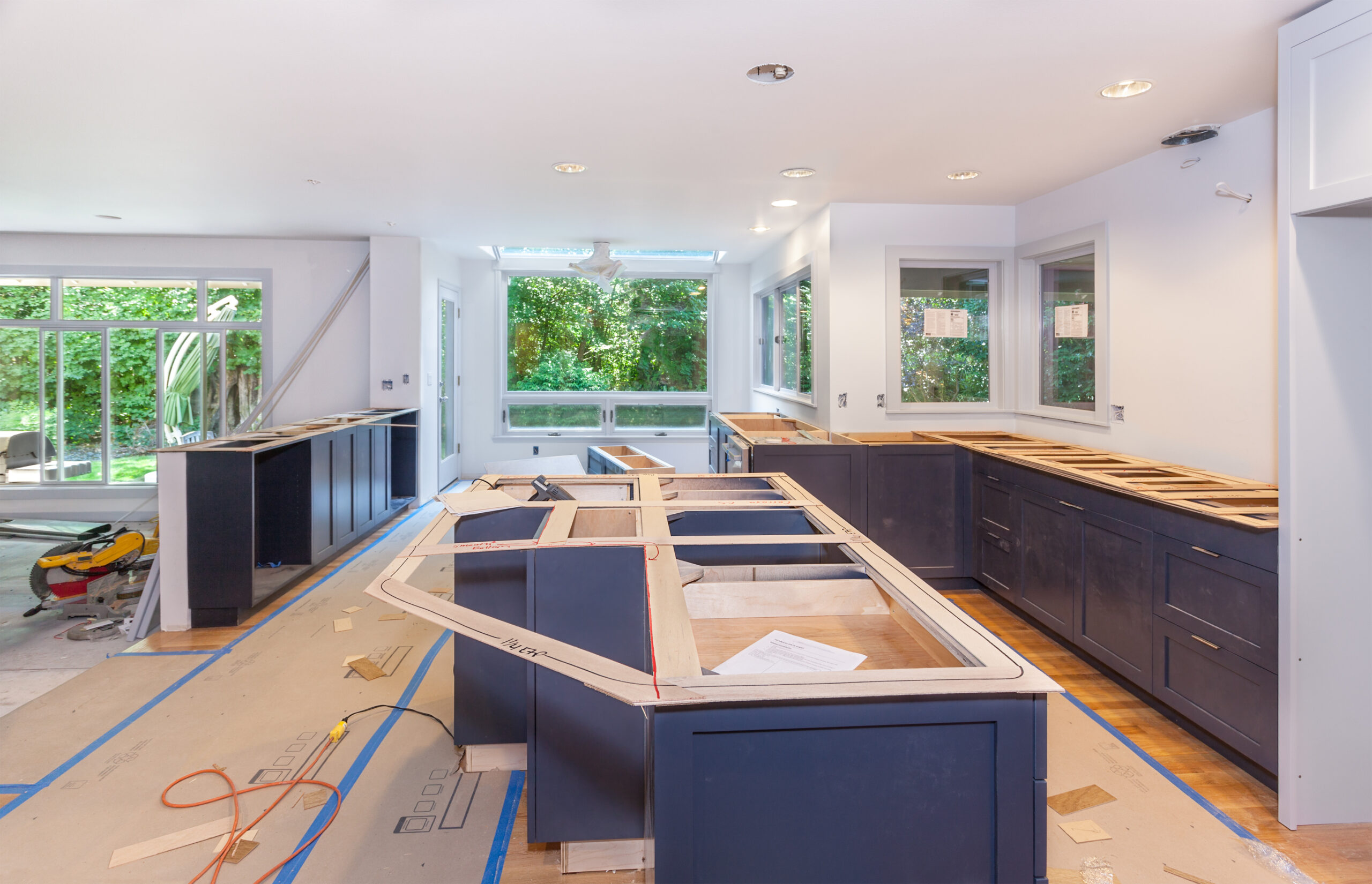
That matters most during a remodel, because a remodel is the one moment when changing your windows is comparatively easy and comparatively cheap. The walls are already open, the crew is already on site, and the finish work has not happened yet. Get the windows right then and you never have to touch them again. Get them wrong, or leave them out of the plan, and you will be paying somebody to undo good work in a few years.
Windows belong early in the plan, not at the end
Most homeowners treat windows as a finishing touch, somewhere near paint and fixtures on the list. They belong much earlier, for two practical reasons.
The first is that windows touch everything around them. Replacing one means disturbing interior trim and drywall, exterior stucco or siding, and the paint on both sides. If your windows go in after the trim carpenter and the painter have finished, you are paying for that work twice. Sequencing them before finish work is the single easiest way to keep a remodel budget from drifting.
The second is lead time. Replacement windows are built to the measurements of your actual openings, so they are ordered, not pulled off a shelf. That takes weeks. A homeowner who decides on windows in month one has them arriving right when the project needs them. A homeowner who decides in month four has a crew standing around, or a project that stops short of the thing that would have improved the house most.
If you are still deciding whether your existing windows have life left in them, our guide on when to replace your windows walks through the signals worth acting on.
What actually makes a window the right one here
Strip away the marketing and there are four things that determine whether a replacement window is any good in this state.
An impact rating, and the approval to prove it. An impact-rated window is built from two panes of glass bonded to a tough interlayer, so a strike from wind-driven debris can crack the glass without knocking the pane out of the frame. The opening stays sealed, which is the whole point, because once a window fails in a hurricane the pressure inside the house rises and starts working against the roof and walls. In Florida this is not a premium feature, it is tied to the building code. Any product sold and installed here is expected to carry a Florida Building Code product approval, and you can look up a specific product’s approval number yourself through the state’s product approval system. Ask for that number. A company that will not give it to you has told you something.
Glass tuned for a cooling climate. The number that matters most on a Florida spec sheet is the Solar Heat Gain Coefficient, and you want it low, because it measures how much of the sun’s heat the window lets through. A Low-E coating, a microscopically thin metallic layer baked onto the glass, is what does most of that work: it turns away infrared heat while letting daylight through. National roundups often optimize for U-factor instead, which matters far more in a cold climate than in ours. Looking for the ENERGY STAR rating for the Southern climate zone is the shortcut that keeps you honest, and we break the ratings down further in our guide to energy efficient windows in Florida.
A frame that survives the humidity. Aluminum frames, common on older Florida homes, conduct heat readily and undercut good glass. Wood looks beautiful and swells, warps, and needs refinishing in this air. Modern vinyl has become the practical default here because it insulates well and shrugs off heat, humidity, and salt without corroding.
An installation that does not waste any of the above. This is the one nobody shops for and the one that decides the outcome. A window with an excellent rating, set out of square or sealed badly, will leak air around its edges and never deliver the efficiency you paid for. An impact window that is not anchored to code will not protect anything when a storm finally tests it. The specification is a promise about the product. The installation is what determines whether you actually get it.
Why the national “best windows” lists mislead a Florida buyer
Search for the best windows for home use and you will find brand rankings, lab tests, and comparison charts. They are not dishonest, they are just answering a different question. A window that performs beautifully in a wind-and-rain test in a testing facility may not carry the Florida approval that lets it go in your wall, and a brand that dominates a national list may not build a line rated for the wind zone your address sits in.
The useful version of that question is narrower. Not “what is the best window in America,” but “what is the best window for this opening, on this elevation, on a house in this wind zone, at a price that leaves budget for the rest of the remodel.” That answer changes from house to house, and sometimes from wall to wall on the same house, which is why it comes from someone measuring your openings rather than from a chart. You can see the range that actually gets specified for Florida homes on our impact windows and doors page.
Where windows sit in a remodel budget
Windows look expensive next to paint and flooring, and they are, until you count what comes back. Impact-rated windows are an approved wind-mitigation feature under Florida law, which means installing them may qualify you for a credit on the windstorm portion of your homeowners premium. You will usually need a wind mitigation inspection to document it, and the actual amount depends on your insurer and policy, so confirm it with your provider rather than taking anyone’s estimate. Unlike most remodel line items, that one returns every year.
Then there is the cooling bill, which in this state runs most of the year, and the shutters you no longer buy, store, or install every time something forms in the tropics. None of that makes windows cheap. It does mean the honest comparison is not against the price of new flooring, it is against the cost of keeping the windows you have.
If sequencing the spend is the obstacle, financing usually solves it. Direct Remodels offers no money down with no payments until the project is finished to your satisfaction, so the windows can go in at the right point in the schedule rather than whenever the cash frees up. Current offers are on our promotions page.
Getting a straight answer for your house
What makes this decision easier is talking to a company that buys and installs its own product. Direct Remodels purchases manufacturer-direct as one of the largest direct buyers in Florida, and our own crews handle the measuring and the installation rather than handing it to an outside team. That means the person recommending a window is accountable for how it performs once it is in your wall, and there is nobody to point at if a detail needs correcting. If you want to know exactly which line we would specify for your remodel and where it is built, we will tell you plainly.
Book a free in-home estimate and a design consultant will measure every opening, walk you through the glass and frame options that suit each elevation, and give you a real number with no pressure. Call 813-371-1911 or request your free estimate online.
Frequently asked questions about choosing replacement windows
What are the best replacement windows for a Florida home?
The ones that carry a Florida Building Code product approval for your wind zone, use laminated impact glass, and pair a low Solar Heat Gain Coefficient with a Low-E coating for the cooling climate. Brand matters far less than those three things plus a correct installation.
When in a remodel should windows be replaced?
Early. Windows disturb trim, drywall, stucco, and paint, so installing them after finish work means paying for that work twice. They are also built to order and take weeks to arrive, so the decision belongs at the start of the project rather than the end.
Do I have to replace every window at once?
No, and plenty of homeowners phase it, starting with the most exposed elevations. Worth knowing for storm protection specifically: leaving openings unprotected limits the benefit of the ones you did protect, and it can reduce a wind mitigation credit.
Will new windows lower my insurance?
They may. Florida law requires insurers to offer discounts or credits for approved wind-mitigation features, and impact-rated windows qualify. You will typically need a wind mitigation inspection, and the credit depends on your insurer and policy, so check with your provider.
How do I check a window is actually approved for my area?
Ask for the Florida Building Code product approval number for the exact product on your quote, then look it up in the state’s product approval system. It takes a minute and it is the clearest way to separate a real impact product from a marketing claim.