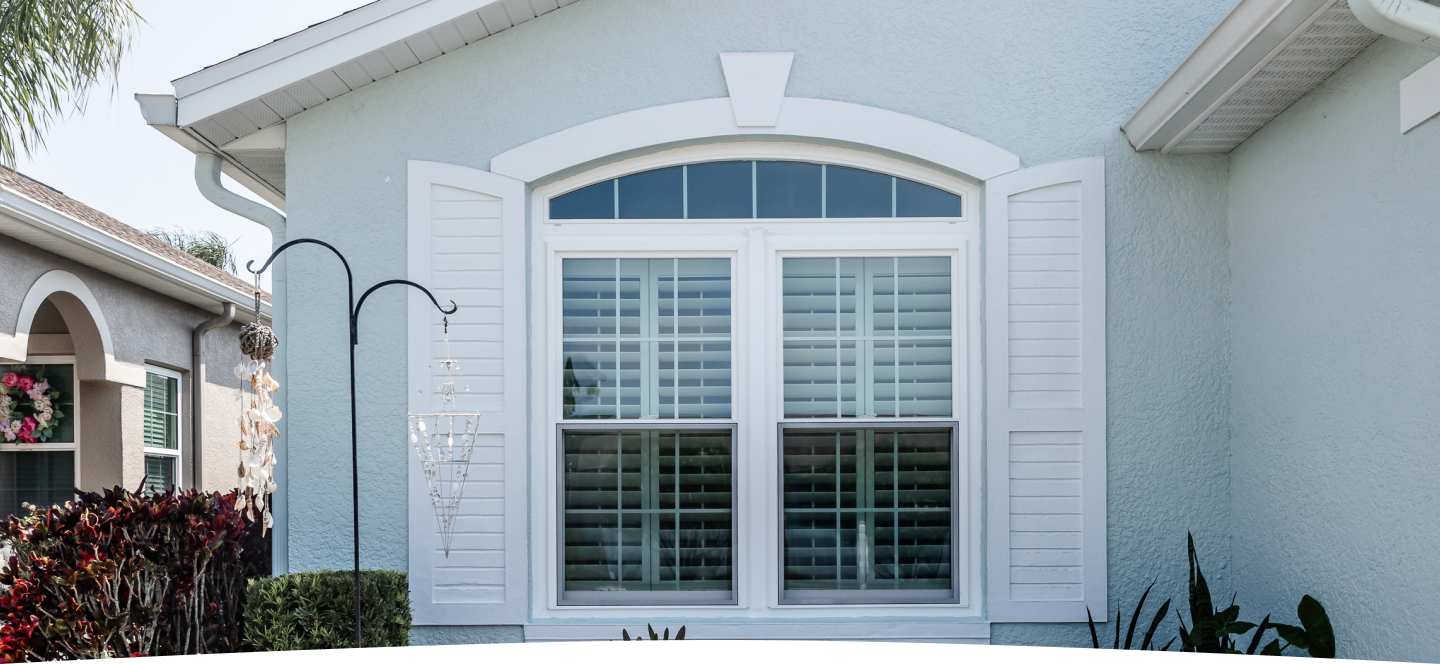

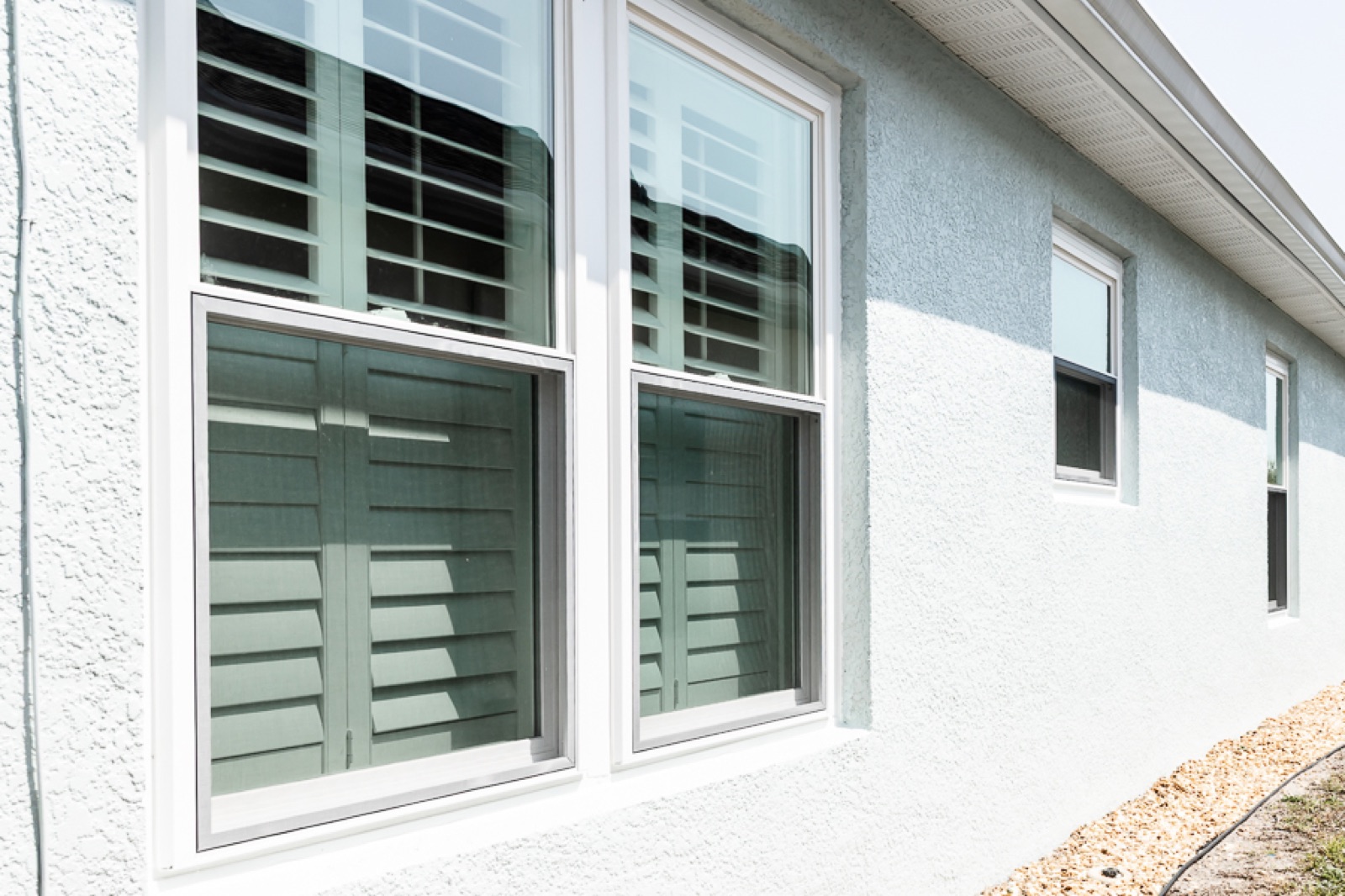
If you’ve ever stood in a stuffy room wondering why cracking a window barely helps, the answer might not be the window size. It might be the window type. Single-hung and double-hung windows look almost identical from the outside, but how they move air through your home is a completely different story.
This guide breaks down the real differences between these two styles, with a focus on what actually matters for Florida homeowners – ventilation, cleaning, storm protection, and long-term value.
What Is a Single-Hung Window?
A single-hung window has two sashes – the framed panels that hold the glass – but only the bottom one moves. You push the lower sash up to let air in, and the top sash stays fixed in place. That’s it.
They’re one of the most common window styles in older homes, partly because they’re simpler to manufacture and have fewer moving parts. That simplicity comes with a tradeoff, though, and it shows up most clearly when Florida’s humidity starts climbing.
What Is a Double-Hung Window?
A double hung window looks identical to a single hung window from the curb, but both sashes move. You can raise the bottom, lower the top, or do both at the same time.
That added flexibility might sound like a small upgrade, but it fundamentally changes how your window handles air. It’s not just about opening wider – it’s about how air actually flows through the room.
The Airflow Difference: Why It Matters More Than You’d Think
Here’s the physics behind it. Hot air rises. Cool air sinks. In a room with a single hung window, you can open the bottom sash and pull some air in, but the warm air trapped near the ceiling has nowhere to escape. It just sits there.
With a double-hung window, you can open the top sash and give that rising warm air an exit point. Open the bottom too, and you’ve created a cross-draft that pulls cooler air in low and pushes hot air out high. It’s basic thermodynamics working in your favor instead of against you.
In Florida’s climate, that difference is more than a comfort issue. It affects how hard your air conditioner has to work, which directly affects your energy bills.
Single-Hung Ventilation: One Path In, No Path Out
A single-hung window essentially gives air one way to move – into the room through the bottom. That’s useful for adding fresh air, but it doesn’t help the room breathe. You’re inviting air in without giving the heat a way to leave.
This is especially noticeable in rooms on upper floors or in rooms exposed to direct sun – common conditions in Florida homes during summer afternoons.
Double-Hung Ventilation: Air Enters Low, Heat Exits High
With a double-hung window, you have genuine two-direction control. Lower the top sash a few inches and raise the bottom, and the room can actually purge heat rather than just circulate it. That’s a meaningful difference on a 90-degree day in St. Petersburg.
Homeowners who switch from single to double hung windows often notice the improvement before they even look at their utility bills. The rooms simply feel different.
Cleaning and Maintenance: Double-Hung Wins Again
Ventilation aside, cleaning is the other area where the sash difference really shows up in day-to-day life.
Single-hung windows can only be cleaned from the outside on the upper sash. For a first-floor window, that might mean getting out a ladder or leaning out awkwardly. For a second-floor window, it’s genuinely inconvenient and potentially unsafe.
Double-hung windows on modern frames typically tilt inward. Both sashes rotate toward you, so you can clean the exterior glass from inside the house. For Florida homeowners dealing with salt air, pollen, storm debris, and regular afternoon rain, that’s not a minor convenience – it’s a practical necessity.
Energy Efficiency: Which Style Keeps More Cool Air In?
This is where the answer gets a little more nuanced. A single hung window has fewer moving parts, which means fewer potential gaps where air can leak. In theory, that gives it a slight edge in airtight sealing when the window is closed.
In practice, though, modern double hung windows – especially impact-rated windows built for Florida’s building codes – are engineered with multi-point locking systems and compression seals that perform just as well as single hung frames. The energy efficiency gap between the two styles has narrowed considerably in newer products.
What matters more than the style is the quality of the window and the installation. A well-installed double hung window will outperform a poorly installed single hung window in both energy performance and weather resistance.
Impact-Resistant Windows and Sash Design
Florida homeowners have an additional layer to consider: hurricane protection. Both single and double hung windows are available in impact-resistant versions, and both can meet Florida’s stringent building code requirements when properly rated and installed.
The double-hung design does introduce slightly more mechanical complexity with two moving sashes instead of one, but modern impact-rated double-hung windows are built to handle that without sacrificing structural integrity. The key is working with a window replacement company that sources properly rated products and handles installation in-house from start to finish.
Cost Comparison: Is Double-Hung Worth the Price Difference?
Single hung windows are generally less expensive upfront. Fewer moving parts means simpler manufacturing and a lower starting price point. If budget is a primary concern, single hung is the more affordable entry point.
That said, the price gap between single and double hung windows isn’t enormous, especially when you’re already investing in impact-resistant or energy-efficient products. When you factor in improved ventilation, easier maintenance, and the long-term comfort benefit in Florida’s heat, most homeowners find the double-hung upgrade is worth it.
The right answer depends on your specific situation – which rooms you’re replacing, what your current windows are, and what problems you’re trying to solve.
When Single-Hung Windows Still Make Sense
Single hung windows aren’t a bad choice in every scenario. They work well in spaces where ventilation flexibility isn’t a priority and where the lower cost genuinely matters. Garages, storage rooms, or secondary spaces that don’t get heavy use are reasonable candidates.
They’re also a sensible choice when you’re replacing windows that already have good cross-ventilation from other openings in the room. If the room has multiple windows or a door that creates airflow on its own, the extra sash movement of a double-hung window may not add much.
The mistake homeowners make is choosing single-hung across the whole house by default because it’s slightly cheaper, without thinking through which rooms actually need better airflow.
Which Window Type Is Right for Florida Homes?
Florida’s combination of heat, humidity, salt air, and storm risk puts specific demands on windows that most other states don’t have to consider. For the majority of Florida homeowners, double-hung windows make more practical sense because of the ventilation advantage, the cleaning ease, and the long-term comfort benefit.
That said, the right answer is never one-size-fits-all. A room-by-room approach, guided by someone who understands both window performance and Florida’s building requirements, will give you better results than a blanket recommendation either way.
If you’re still unsure which direction to go, reading up on the full window replacement process can help you understand what questions to ask before you commit to anything.
What to Look for in Either Style
Regardless of which style you choose, the following factors matter more than the sash configuration:
- Impact resistance rating: Look for windows that meet Florida’s current building code requirements, particularly if you’re in a wind-borne debris zone.
- Low-E glass: This coating reduces heat transfer and helps keep your home cooler without blocking natural light.
- Frame material: Vinyl frames are common in Florida because they resist moisture, don’t rust, and require minimal maintenance.
- Installation quality: A window is only as good as how it’s installed. Poor sealing, incorrect anchoring, or skipped inspections can undermine even a high-quality product.
Working with a licensed general contractor who handles installation in-house – rather than subcontracting it out – gives you a single point of accountability from product selection through final inspection.
FAQ: Single Hung vs Double Hung Windows
Choosing the Right Hung Windows for Your Florida Home
The difference between single and double hung windows comes down to whether one or both sashes move. That distinction affects ventilation, cleaning, and indoor comfort. For most Florida homes, the double-hung design earns its slightly higher price tag through better ventilation and long-term convenience. If you’re ready to explore your options, reach out to Direct Remodels at 813-371-1911 to talk through what works best for your specific rooms, budget, and storm protection needs.