
The benefits of sliding windows start with the simplest thing a window can do: open easily. Instead of lifting a sash against gravity, you glide the panel sideways along a track with one hand, which is why so many homeowners reach for sliders in the spots where a window is a little awkward to get to. But easy operation is only where the appeal begins. Sliding windows also bring in wide views, move a lot of air, and ask for almost none of the upkeep that older window styles demand.
Here is a closer look at what sliding windows do well, where they earn their place in a home, and what to know about choosing them in Florida.
How a sliding window works
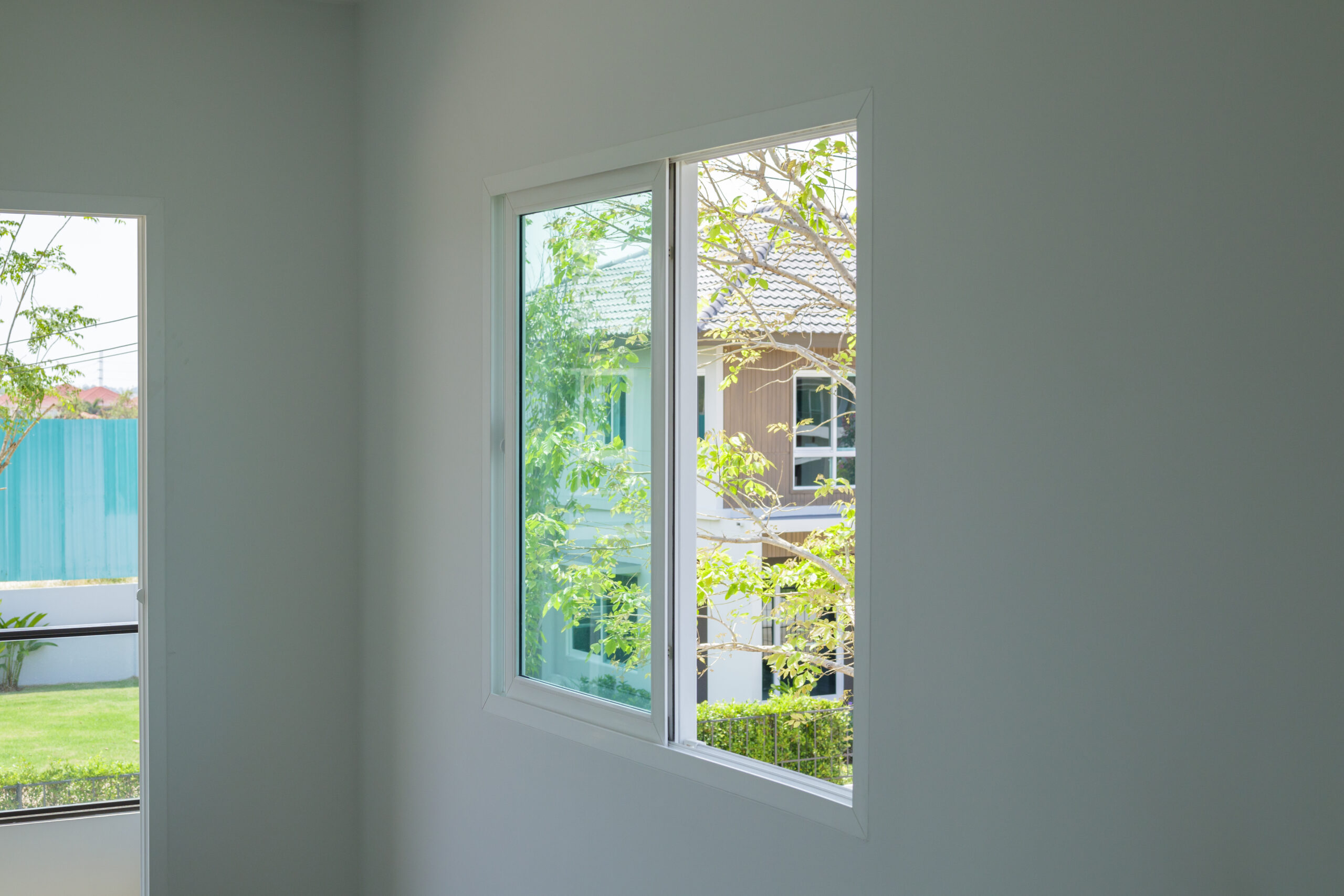
A sliding window, sometimes called a gliding window, opens horizontally rather than vertically. One or both panels slide left to right along a bottom track, unlike a single hung or double hung window where the sash moves up and down. That horizontal motion is the whole reason sliders feel so effortless. There is no counterbalance to fight and no sash to hoist, so the window opens with a light push and stays exactly where you leave it.
That difference in mechanism is behind most of the benefits below. Fewer moving parts, a wider opening, and a low profile all trace back to the way a slider glides instead of lifts.
Effortless operation, even in hard-to-reach spots
The clearest benefit is how little effort a sliding window takes to use. Because you are not lifting anything, sliders are a genuine help for anyone who finds a heavy double hung sash difficult, and they shine over a kitchen sink, a countertop, or a piece of furniture where reaching up and pulling a window open is a stretch. A single sideways nudge does it.
That ease also holds up over time. A window you can open without a struggle is a window you will actually use for fresh air, rather than one that stays shut because opening it is a chore.
Wide views and better airflow
Sliding windows tend to be wider than they are tall, which gives them a broad, largely unobstructed pane. The result is more glass, more daylight, and a wider view of the yard than you get from a tall, narrow style. Rooms feel more open and connected to the outdoors, and the extra natural light can ease your reliance on lamps during the day.
That same wide opening moves more air. When you slide the panel back, you expose a large opening to the breeze, so on the mild days Florida does get, a slider ventilates a room quickly. For rooms that need airflow, like a kitchen or a bedroom, that generous opening is a practical advantage, not just a nice view.
Low maintenance and a long, quiet life
Sliding windows keep things mechanically simple. With no springs, cords, or pulleys of the kind found in some other operable windows, there is less that can wear out or break. That simplicity usually means fewer service calls and a longer, quieter service life.
Upkeep is straightforward too. The main task is keeping the bottom track clear, since that is where dust and grit collect, and a quick vacuum and wipe now and then keeps the panel gliding smoothly. Many sliding windows also have sashes that lift out or tilt for cleaning, so reaching the exterior glass from inside is easy, which matters for second-story rooms.
Where sliding windows work best
Sliders are a strong fit for wide openings, the kind where a builder might otherwise gang two windows together. A single slider can cover that span cleanly, with one uninterrupted view instead of a divided one. They are also a natural over kitchen sinks and counters, along a covered porch or lanai, in bedrooms where egress matters, and in modern homes where their clean, horizontal lines suit the architecture.
That egress point is worth a note. In bedrooms, building codes generally require a window large enough to climb out of in an emergency, and a wide slider often meets that requirement comfortably while staying easy to open in a hurry. A design consultant can confirm the right size for a given room during a visit. You can see how different window styles look in real homes in our project gallery, and compare sliders with other styles on our windows and doors page.
The Florida angle: sliding windows can be impact-rated
Here is the part that matters most for a Florida home. All of the benefits above hold only if the window can also stand up to storm season, and the good news is that sliding windows can be built impact-rated. An impact slider uses the same laminated glass found in other impact windows, bonded to a tough interlayer, so if flying debris strikes it during a storm the glass can crack but stays in the frame rather than shattering into the room.
That means you do not have to trade the easy operation and wide view of a slider for storm protection. You get both in one window. Impact sliders also carry the year-round perks of modern glass, including Low-E coatings that cut heat gain and help with cooling costs, and thick laminated glass that dampens outside noise. We explain how that glass affects your energy use in our post on whether impact windows save energy. When you are ready to look at the product itself, our sliding windows page has the details.
Sliding windows are not sliding glass doors
One quick clarification, because the names cause confusion. A sliding window is a window, sized for a wall opening and operated by hand at counter height or above. A sliding glass door, sometimes called a patio door, is a full-height door you walk through to reach a patio or lanai. They share the gliding motion, but they are different products for different openings. If a wide glass opening to the backyard is what you are picturing, our impact patio and sliding glass doors are the place to look instead.
Why the installer matters as much as the window
A sliding window lives or dies by its track and its fit. If the opening is not measured precisely and the frame is not set square and sealed, even a quality slider can bind, leak air, or let water in. This is one reason we keep the whole job in our own hands rather than passing it down a chain of suppliers and subcontractors. We buy our windows straight from the manufacturer and our own crews handle the measuring and the install, so the window that arrives fits the opening it was made for, and one team stands behind the result.
If a sliding window sounds like the right fit for a room in your home, the simplest next step is to have someone measure it and show you the options. Book a free in-home estimate and a Direct Remodels design consultant will walk your openings, talk through styles and glass, and give you a straight number with no pressure. Call 813-371-1911 or request your free estimate online.
Frequently asked questions about sliding windows
Are sliding windows energy efficient?
They can be. Efficiency comes from the glass and the seal rather than the style, so a sliding window with insulated, Low-E glass and a tight track performs well in the Florida heat. Impact sliders add laminated glass, which helps with both heat and noise.
Do sliding windows come impact-rated for hurricanes?
Yes. Sliding windows can be built with laminated impact glass and a reinforced frame that meets the Florida Building Code, so you get the easy operation and wide view of a slider along with storm protection.
How do I keep a sliding window operating smoothly?
Keep the bottom track clean. Dust and grit are what make a slider stick, so vacuum the track and wipe it out occasionally, and the panel will keep gliding easily. There are no cords or springs to maintain.
Are sliding windows good for bedrooms?
Often, yes. A wide slider is easy to open in a hurry and can usually meet the egress size that bedrooms require, which makes it both convenient and code-friendly. A design consultant can confirm the right dimensions for your room.
What is the difference between a sliding window and a single hung window?
A sliding window opens side to side along a track, while a single hung window opens by raising the bottom sash upward. Sliders tend to be wider, open more easily since there is no lifting, and suit wide openings, while single hung windows fit taller, narrower spaces.