
A good first time homeowner checklist does two jobs at once: it gets your new house safe and functioning in the first few weeks, and it sets you up for the things that come with owning a home in Florida specifically, from hurricane season to a cooling bill that runs most of the year. Closing day is a milestone, but it is also the moment the house becomes entirely your responsibility, and a little order early on saves a lot of scrambling later. Here is how to work through it without feeling buried.
First things first: security and the essentials
Before you unpack a single box, change the locks. You have no way of knowing how many copies of the old keys are floating around with previous owners, agents, contractors, or neighbors, so a fresh set of deadbolts and a rekey is the cheapest peace of mind you will ever buy. While you are at it, check the smoke and carbon monoxide detectors in every room. Do not assume they work. Press the test buttons, replace the batteries, and note the dates on the units, since detectors expire and often get ignored for years.
Then get your documents in order. Keep your closing packet, deed, mortgage paperwork, and insurance policy somewhere safe and easy to reach, ideally with a digital backup. You will need these sooner than you expect, whether for a tax question or an insurance claim. Update your address with your bank, employer, the post office, the DMV, and anywhere that mails you something important.
Learn how your house actually works
The faster you understand your home’s systems, the less a small problem turns into an expensive one. Walk the house and find the important controls before you need them in a hurry:
- The main water shut-off valve, so you can stop a burst pipe or a leaking water heater fast
- The electrical panel, and take a minute to label which breaker controls what
- The water heater and the HVAC air handler, along with the location and size of the air filters
- The shut-offs under sinks and behind toilets
Change the HVAC air filter right away, because you have no idea when the last owner did, and in Florida the air conditioner does the heavy lifting for your comfort and your power bill. A clean filter helps the system run efficiently and last longer. Note the filter size and set a reminder to swap it every couple of months.
Set up insurance the Florida way
Homeowners insurance is not optional if you have a mortgage, but in Florida there is a wrinkle that catches new owners off guard: a standard homeowners policy covers wind, not flood. Flood is a separate policy, and it can matter far from the water, so it is worth understanding your risk before storm season rather than after. Read your policy so you actually know your hurricane deductible, which in Florida is usually a percentage of your home’s value rather than a flat amount. We break the whole thing down in our guide to Florida homeowners insurance, which is worth a read before your first renewal.
This is also the time to ask about discounts. Florida rewards homes that are hardened against wind, so features like impact-rated windows and doors can lower the windstorm portion of your premium, which is useful to know if upgrades are in your future.
Make a hurricane plan before you need one
If this is your first home in Florida, storm season is the part of ownership a national checklist will never mention. Do not wait for a warning to figure out your plan. Look up your evacuation zone now, decide where you would go and how your household would stay in touch if cell service drops, and build the plan while the skies are clear. Ready.gov has a simple framework for a household emergency plan that is a good starting point.
Then put together a basic supply kit so you are not fighting the crowds for water and batteries when a storm is three days out. Our hurricane preparedness kit checklist covers what to pack and how much, and our hurricane preparation overview lays out the season timeline. Getting this in place in your first few months means you are ready for every summer after.
Size up what you inherited, especially the windows
Every house comes with a previous owner’s decisions, and part of your first year is figuring out which ones you keep and which ones you fix. Walk the exterior and the roof line and look for obvious issues: missing shingles, soft spots, damaged siding, and drainage that sends water toward the foundation instead of away from it.
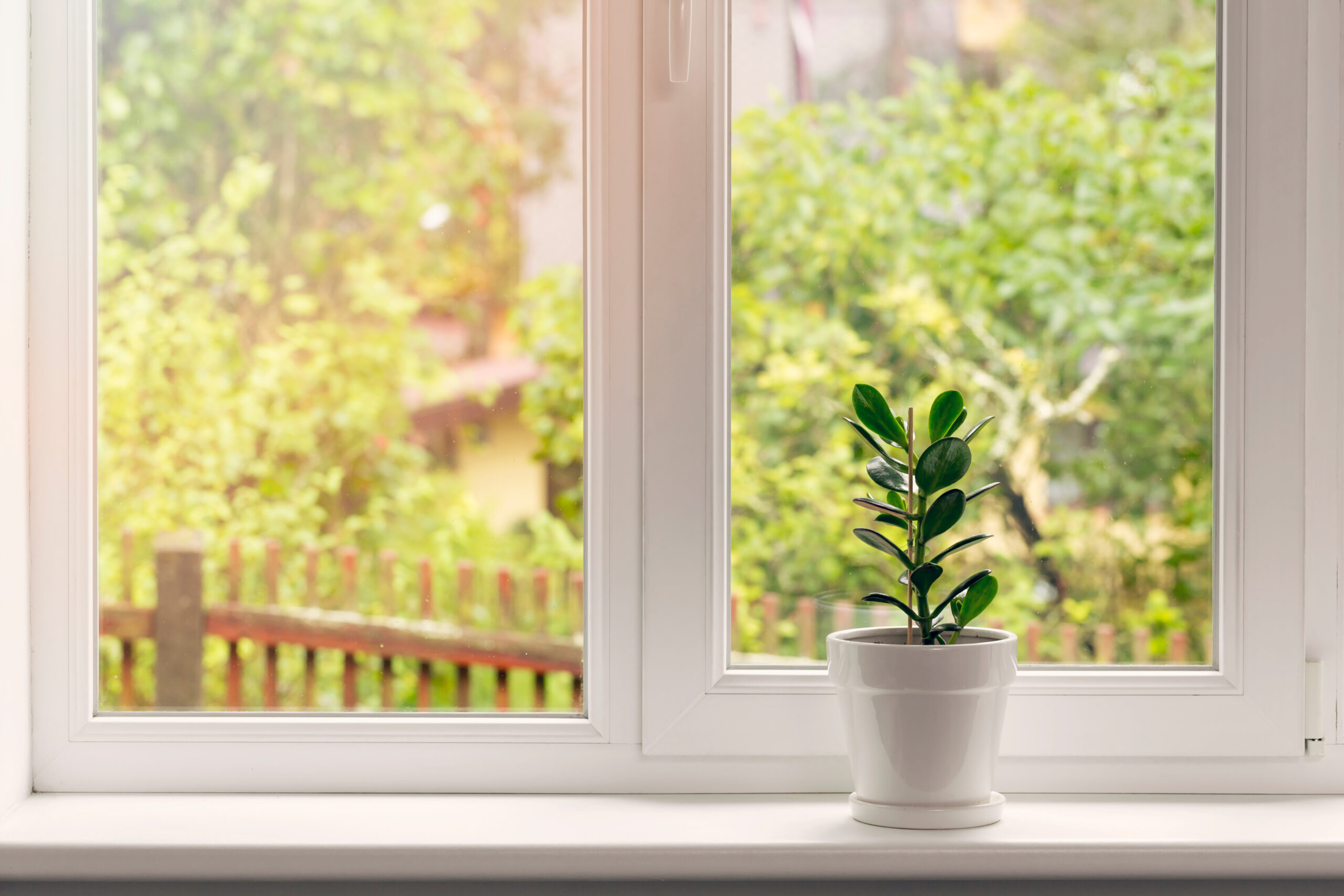
Pay attention to the windows and doors, because in Florida they do more than let in light. Old single-pane or non-impact glass is a weak point in a storm and a steady drain on your cooling bill the rest of the year. Feel for drafts around closed windows, look for fog trapped between panes, and note any sashes that stick or will not lock. Those are the signs a window is near the end of its life. You do not have to do anything about it your first month, but it helps to know where you stand so you can budget for it. When the time comes, impact windows and doors handle storm protection, energy, and security in a single upgrade, which is why so many Florida homeowners get there eventually.
Start a maintenance rhythm
The homeowners who avoid nasty surprises are the ones who do a little upkeep on a schedule instead of waiting for something to break. Build a simple calendar: air filters every month or two, gutters cleared before the rainy season, HVAC serviced once a year, the roof and window seals checked annually, and the water heater flushed as recommended. None of it is difficult, and catching a small issue early is almost always cheaper than fixing the damage it causes later. In Florida’s heat and humidity, staying ahead of moisture and mold is especially worth the small effort.
Budget for the home you have, and the one you want
Your mortgage is only part of the monthly picture. Property taxes, insurance, any HOA fees, utilities, and a cushion for repairs all belong in the plan. A common rule of thumb is to set aside roughly one to two percent of your home’s value each year for maintenance and repairs, so an unexpected AC failure or roof repair does not become a crisis. As you settle in, you can start prioritizing the upgrades that matter most, whether that is efficiency, storm protection, or simply making the place feel like yours.
When windows and doors move up that list, Direct Remodels is a local, family-owned option worth knowing. Because we buy manufacturer-direct and keep the whole project in house, a first-time homeowner gets straight pricing and one team handling everything from the measurement to the install. If you want to understand what your windows would cost to upgrade, a design consultant will assess them during a free in-home estimate with no pressure. Call 813-371-1911 or request your free estimate online.
Frequently asked questions for first time homeowners
What should I do first after closing on my house?
Change the locks and test the smoke and carbon monoxide detectors, then locate your main water shut-off, electrical panel, and HVAC filters. Getting security and the core systems handled first means you are covered if anything goes wrong in the early days.
What does a first time homeowner in Florida need that others might not?
A hurricane plan and the right insurance. Learn your evacuation zone, build a supply kit, and understand that flood coverage is separate from your homeowners policy. Florida’s heat also makes HVAC upkeep and efficient windows more important than in cooler states.
How much should I budget for home maintenance?
A common guideline is one to two percent of your home’s value per year set aside for maintenance and repairs. Building that cushion early keeps a surprise like an AC failure or a roof repair from becoming a financial emergency.
Should I replace the windows in my first home right away?
Not necessarily. Assess them first for drafts, fogged panes, and storm vulnerability, then budget for replacement if they are old single-pane or non-impact glass. It is a planning item, not usually an emergency, unless a window is actively failing.
How often should I change my air filter in Florida?
Every one to two months is a good rule, since the air conditioner runs much of the year here. A clean filter helps the system cool efficiently, keeps your power bill in check, and extends the life of the unit.