
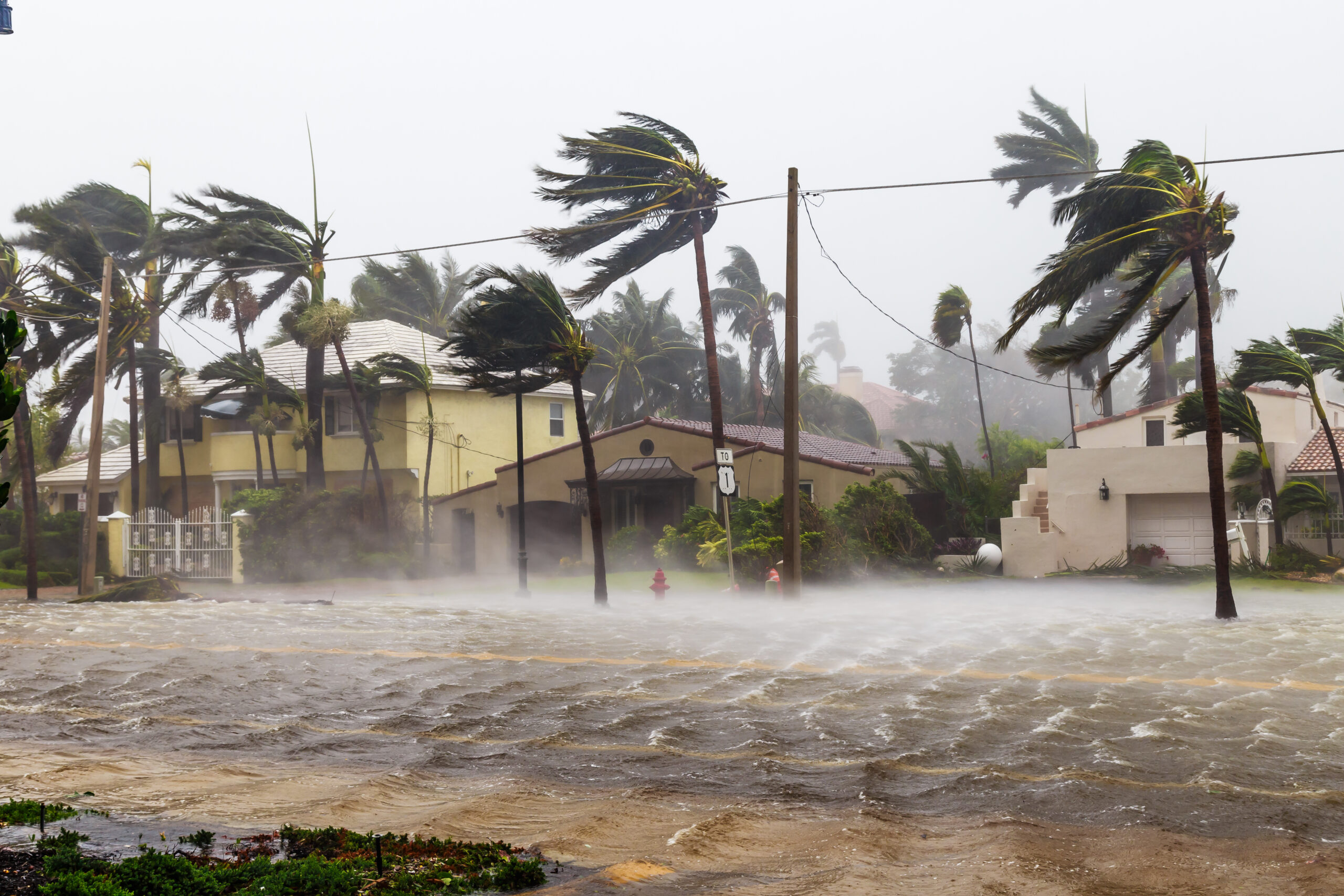
A hurricane preparedness kit is the one piece of storm planning you can finish today, on a calm afternoon, long before a name is on the map. When a storm is bearing down and the whole state is buying the same water and batteries, the shelves empty fast. The families who ride out a Florida hurricane in reasonable comfort are almost always the ones who packed their kit early and never had to join that last-minute rush.
The goal is simple. Your kit should let your household live without power, running water, or a trip to the store for several days. Emergency managers across Florida suggest building enough to cover at least seven days, since it can take that long for power and services to come back after a major storm. Here is how to put that together, category by category, so nothing important gets left out.
Start before the season, not before the storm
Hurricane season runs from June through November, and the smart move is to have your kit fully stocked by the start of it. Waiting until a storm is forecast is how people end up paying triple for the last case of water or driving to three stores for D batteries. Build the kit in the off-season, store it somewhere everyone in the house knows about, and you turn a stressful scramble into a quick double-check. For the full month-by-month picture of what to do across the season, our guide to hurricane preparation in Florida lays out the timeline.
Water and food
Water comes first, because you can go without almost anything else longer than you can go without it. Plan on about one gallon per person per day, with roughly half for drinking and half for cooking and sanitation. For a family of four over seven days, that is close to thirty gallons, so it takes real storage space. Do not forget a gallon a day for pets, and store a little extra if anyone in the house is pregnant or ill.
For food, stock non-perishable items that need no refrigeration and little or no cooking: canned meats, vegetables, and fruit, peanut butter, nuts, dried fruit, energy bars, crackers, and shelf-stable meals. Pack a manual can opener, because an electric one is useless when the power is out, and that single overlooked tool has ruined more than one pantry full of cans. Include comfort foods too. A few familiar snacks go a long way with kids during a long, dark night.
First aid and medications
A stocked first aid kit covers the everyday injuries that get harder to treat when help is far away: adhesive bandages, gauze, antiseptic wipes, medical tape, scissors, tweezers, pain relievers, antihistamines, and a thermometer. Add a first aid manual so anyone in the house can use it.
The part people forget is prescriptions. Keep at least a week’s worth of any regular medication on hand, and ask your pharmacy about an emergency refill before the season if your plan limits how far ahead you can fill. Note anything that needs refrigeration and have a cooler and ice packs ready for it. Include glasses, contact supplies, and any specific medical items your family depends on.
Light, power, and information
When the grid goes down, you want light that does not involve an open flame. Pack several LED flashlights and a supply of the batteries they use, plus a headlamp or two so hands stay free. Battery-powered lanterns are safer and steadier than candles.
Just as important is information. A battery-powered or hand-crank weather radio keeps you connected to official updates when the cell network is overloaded or down, and many models can also charge a phone. Speaking of phones, pack fully charged power banks and car chargers so you can keep a line to family and emergency services. In a long outage, your phone is your lifeline, and a dead one helps no one.
Documents, cash, and communication
Storms damage records as easily as they damage roofs. Keep copies of your important documents, insurance policies, IDs, birth certificates, medical information, and property records, in a waterproof, sealable container or a secure digital backup you can reach without power. Your homeowners and any flood policy details belong here, because you will want them fast if you need to file a claim.
Keep some cash in small bills, since ATMs and card readers often go down with the power. And write out a simple family communication plan: an out-of-area contact everyone can check in with, a list of phone numbers on paper rather than only in a locked phone, and a shared meeting point in case you get separated. Ready.gov has a straightforward emergency kit and plan checklist worth printing and keeping with your supplies.
Sanitation, comfort, and the after-the-storm basics
Several days without running water means planning for hygiene. Pack hand sanitizer, disinfecting wipes, moist towelettes, toilet paper, soap, feminine hygiene products, and heavy-duty trash bags. A little goes a long way toward keeping everyone healthy when normal plumbing is not an option.
Add the comfort and cleanup items that make the days after a storm bearable: blankets, a change of clothes and sturdy shoes for each person, work gloves, a multi-tool, duct tape, a fire extinguisher, and a whistle to signal for help. If you use a generator, store fuel safely and only ever run it outdoors and far from windows, because generator exhaust is a leading cause of injury after Florida storms.
Plan for everyone under your roof
A kit is only complete when it fits the actual people in your home. Infants and small children need formula, bottles, diapers, wipes, and a favorite toy or two. Elderly family members may need specific medications, mobility aids, extra batteries for hearing aids, or backup power for medical equipment. And pets need their own supplies: food, water, a leash or carrier, medications, and copies of their vaccination records in case you end up at a shelter that requires them. Walk through your household one person at a time and pack for each of them.
Florida’s emergency managers keep an excellent, printable disaster supply checklist you can use to double-check your work against the official list.
One less thing to worry about
A kit handles your family. Your home is the other half of the equation, and that is where preparation gets a lot easier if the house is built for it. Homeowners with impact windows skip one of the most stressful parts of a storm warning entirely, because there are no shutters to hang or plywood to cut as the wind picks up. The protection is already in place. If you want to see how the house itself factors into storm season, our guide on preparing your home for a hurricane covers the structural side, and you can learn about impact windows and doors whenever you are ready.
That kind of built-in protection is the whole reason Direct Remodels exists as a Florida company. But the kit above is what keeps your family safe on the inside while your windows handle the outside, so build it first, and build it now.
Frequently asked questions about hurricane preparedness kits
How many days of supplies should a hurricane kit hold?
Plan for at least seven days. After a major Florida storm, power, water, and store access can take that long to return, so a week of food, water, and medication per person is a safe target rather than the old three-day rule of thumb.
How much water do I really need?
About one gallon per person per day, split between drinking and sanitation, and the same for any pets. For a family of four over a week, that is close to thirty gallons, so store it early because it takes up space.
When should I put my kit together?
Before hurricane season starts on June 1, not when a storm is forecast. Supplies sell out quickly once a system is in the forecast, and building your kit in the off-season means you are only ever topping it off.
What is the one item people always forget?
A manual can opener is the classic miss, followed by cash in small bills and paper copies of important documents. All three matter most exactly when the power is out and your phone and the stores are not options.
Do I need a kit if my home has impact windows?
Yes. Impact windows protect the structure and mean you are not scrambling to cover openings, but your family still needs water, food, medication, and supplies to get through days without power. The kit and a storm-ready home do two different jobs.